Simply Make Life Easier
Picked by Me. Chosen by You
Simply Make Life Easier
Picked by Me. Chosen by You

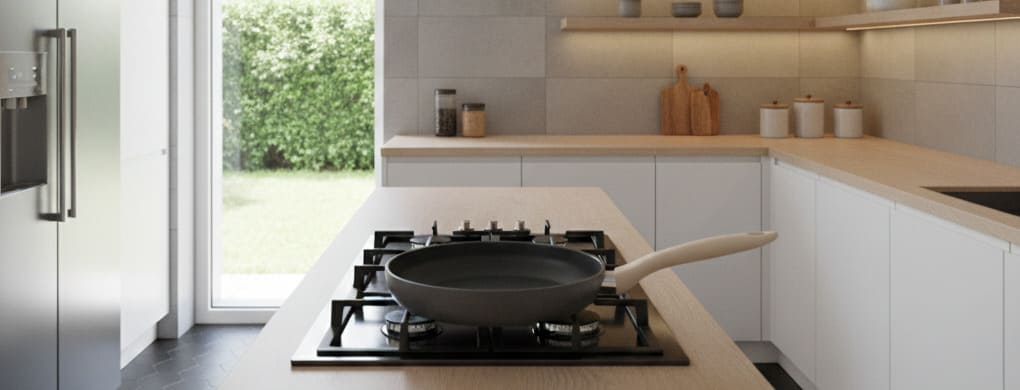
A Nonstick Frying Pan is one of the most frequently used tools in kitchens worldwide. Thanks to its low-friction cooking surface, delicate foods like eggs, pancakes, and fish fillets release easily without sticking and reduce the need for extra fats like oil or butter. This makes nonstick cookware a popular choice for cooks prioritizing easy food release, quick cleanup, and everyday meal preparation.
Modern nonstick pans are often built with advanced coatings that minimize friction, enabling cooks to achieve consistent results with minimal effort. These pans are particularly useful in daily cooking routines, where convenience and predictability are key. Nonstick cookware also democratizes certain cooking skills; tasks that once required careful heat control become easier for a broader range of users.
However, while the best nonstick frying pans offer efficiency and versatility, there are specific advantages and trade-offs compared with other pan types like stainless steel or cast iron. Understanding these will help you make a more informed purchasing decision.
Nonstick frying pans are typically defined by the type of coating applied to their cooking surface. Two common variants are PTFE (often known as Teflon) and ceramic-based coatings.
Traditional PTFE-based coatings are known for their excellent nonstick performance and affordability. They allow food to glide off the pan surface with minimal oil and make cleanup fast and simple. However, these coatings have temperature sensitivity and can degrade if overheated. PTFE surfaces begin losing effectiveness at high heat and may emit harmful fumes if the coating breaks down.
Ceramic nonstick coatings, on the other hand, are often marketed as PFOA/PTFE-free and generally tolerate higher heat before losing their properties. These coatings are derived from inorganic minerals, typically providing a chemical-free surface that many consumers associate with a healthier cooking environment. However, ceramic coatings can be less durable over time, with the nonstick layer wearing off faster than high-quality PTFE when used frequently.
Many modern nonstick frying pans strive to balance these considerations by offering enhanced durability, PFOA-free certification, and optimized heat distribution to support a range of cooking tasks on gas, electric, and induction stovetops alike.
When evaluating nonstick pans, some key qualities set reliable models apart from less effective ones. These include:
However, as with any cookware, these features come alongside considerations such as temperature tolerance and long-term durability.
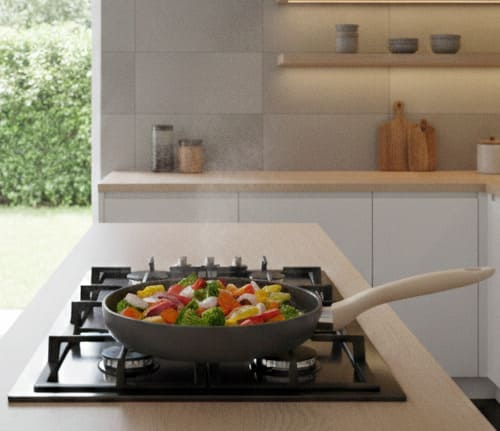
Advantages
Versatility
Many nonstick frying pans are compatible with various cooktops, including induction, gas, and ceramic.
Easy Cooking and Cleanup
Nonstick surfaces dramatically reduce the effort needed to release food and clean up afterward, saving time in meal preparation and cleanup.
Healthier Cooking Options
The reduced need for cooking fats makes nonstick pans attractive for individuals seeking lower-oil cooking methods.
Ideal for Delicate Foods
Foods that stick easily on stainless steel—like eggs or flaky fish—perform significantly better on a nonstick surface.
Disadvantages
Limited High-Heat Cooking
Nonstick pans are less suited for techniques requiring extremely high heat, such as searing or blackening meats.
Heat Sensitivity
Nonstick coatings, especially PTFE, may degrade at high temperatures above their recommended range.
Coating Wear Over Time
Frequent use and improper care may cause the nonstick layer to wear off, at which point the pan should be replaced.
Utensil Restrictions
Metal tools can scratch or chip the coating, reducing nonstick quality. Silicone, wood, or plastic utensils are generally recommended.
Comparatively, traditional materials like stainless steel or cast iron do not rely on coatings and can withstand higher heat and more aggressive cooking techniques, though they require more skill and oil for nonstick performance.
A nonstick frying pan remains a staple cookware item thanks to its ease-of-use and broad compatibility with common cooking tasks. When chosen and maintained properly, nonstick pans can deliver reliable performance for years. Awareness of coating care, heat limits, and utensil use will help ensure long-term satisfaction from your investment in nonstick cookware.
| Specification | Nonstick Ceramic Frying Pan |
|---|---|
| Product Type | Ceramic Nonstick Frying Pan |
| Brand (Ubiquitous) | SENSARTE / Similar |
| Coating Type | Ceramic nonstick (Free of PFAS/PTFE/PFOA) |
| Size (VARY) | 8″, 9.5″, 10″, 11″, 12.5″ (Option dependent) |
| Induction Compatible | O |
| Gas Stove Compatible | O |
| Electric Stove Compatible | O |
| Oven Safe | Likely (Common on ceramic pans) |
| Dishwasher Safe | O |
| Non-Stick Feature | O (Ceramic coating) |
| Includes Lid | O (For some size options) |
| DETAIL | Details on Amazon |
The product featured in the provided Amazon link is a nonstick frying pan with a ceramic coating, designed with the following features based on its listing:
This combination makes it suitable for users seeking a versatile, everyday pan that excels in low-to-medium heat cooking tasks.
A quality nonstick frying pan is suitable for:
While no nonstick pan replaces the heat tolerance of cast iron for searing, this style of pan complements kitchens focused on practical, energy-efficient cooking habits.
This post contains affiliate links. If you purchase through these links, the site may earn a commission at no extra cost to you.
Q1. Are nonstick frying pans safe for daily cooking?
A. Modern nonstick pans labeled PFOA/PTFE-free are generally safe when used under recommended temperatures and cared for properly.
Q2. What cooking tasks are nonstick pans best for?
A. Delicate items like eggs, pancakes, and sautéed vegetables benefit most from a nonstick surface.
Q3. How long does a nonstick coating last?
A. With proper care, many